
March 1st: off to Buenos Aries (via Houston)
We flew to Buenos Aries leaving Tampa in the late afternoon and after switching planes in Houston we boarded a 10 hour overnight flight down to Buenos Aries. It was a long flight but since there is only a two hour time difference from Tampa, the jet lag was minimal.
We arrived in BA mid morning on the 2nd. All the planes into the country seem to land around the same time and we opted for an expedited arrival service through our BA travel agent and it saved us some very long lines at the airport and immigration.
Buenos Aries is a big city that has approximately 1/3 of the 45 million population of the entire country. For a country that is a third of the size of the US, that means the rest of the country is very sparsely populated.
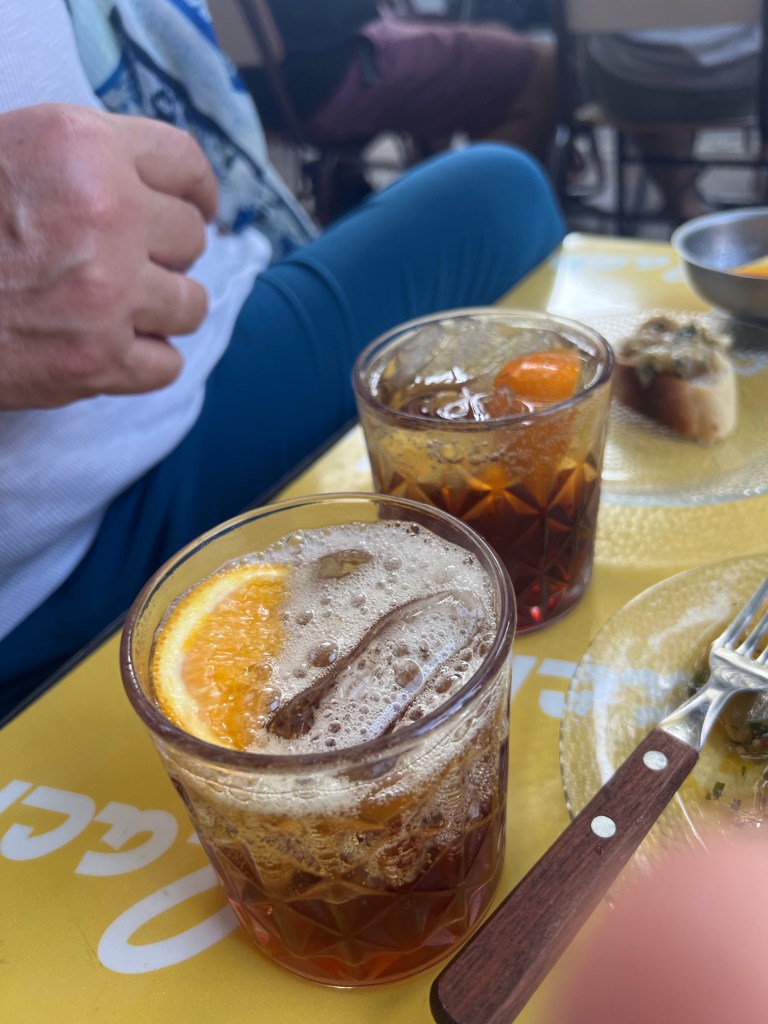
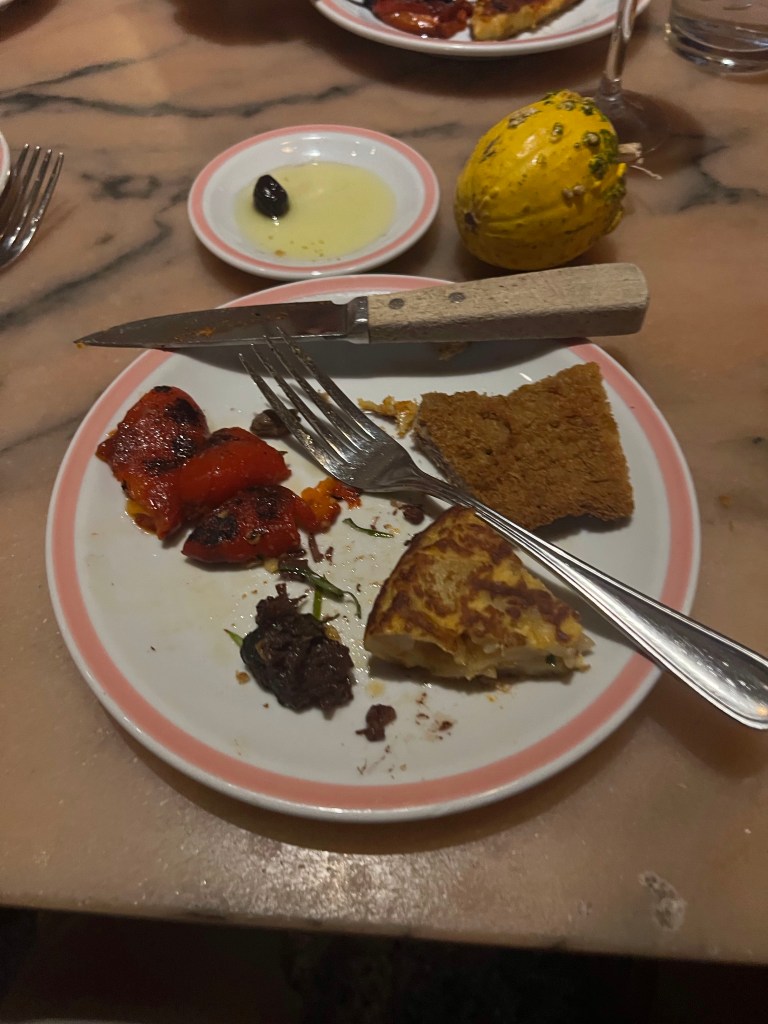
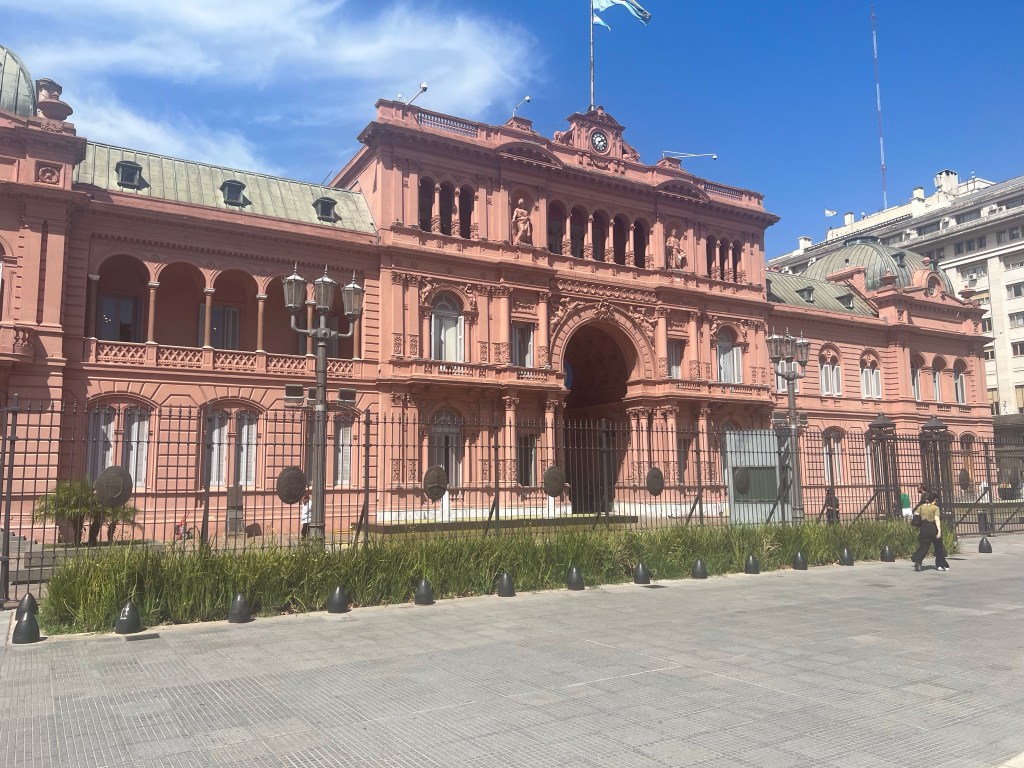
We spent March 2 and 3rd in Buenos Aires and were able to sample a bit of the City. We did a food tour in the evening of the 2nd with two other couples and visited 4 different establishments for drinks, appetizers and dinners. All of the servings are quite large in all the restaurants and we will have to pace ourselves with the food and beverages.
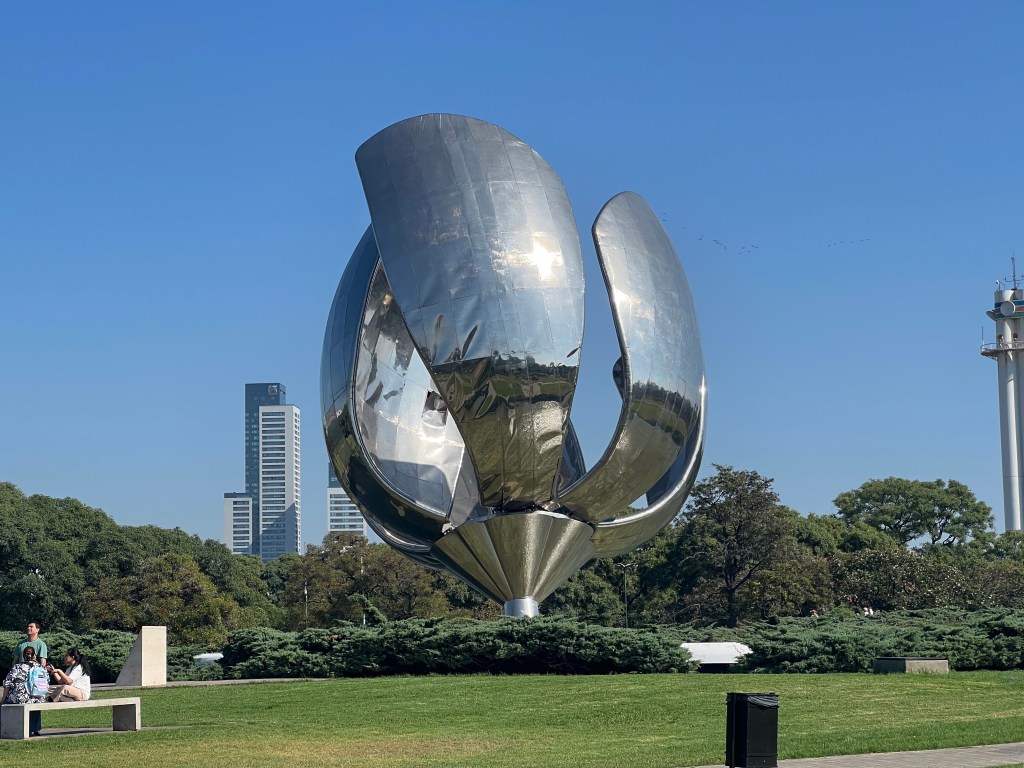
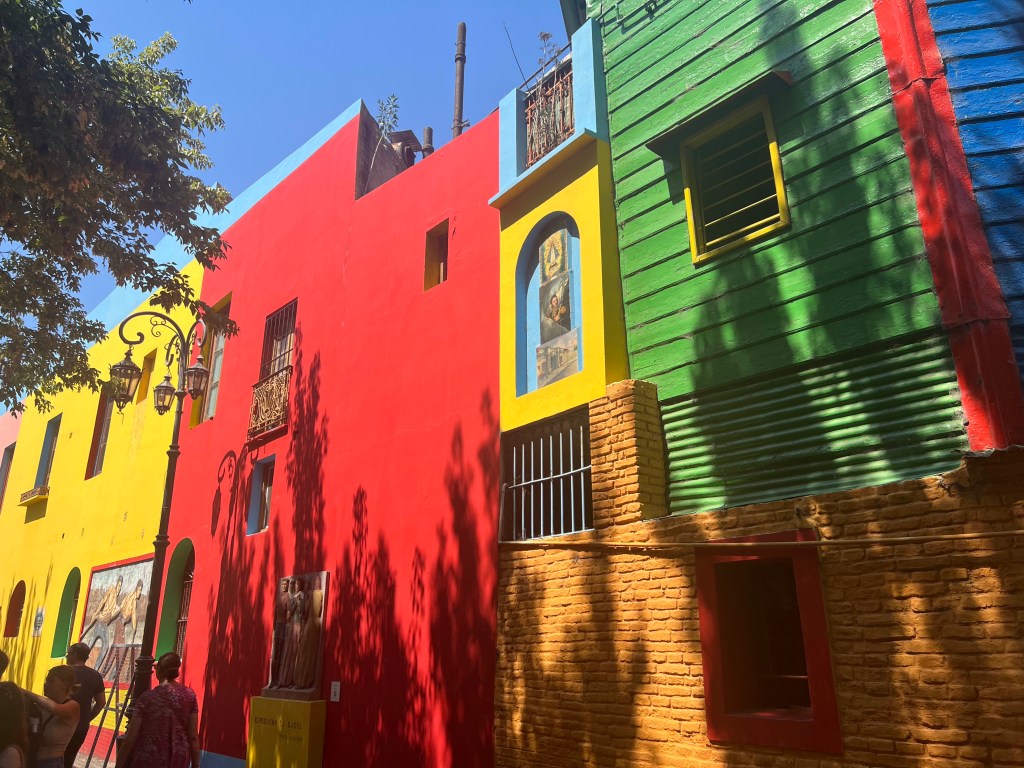
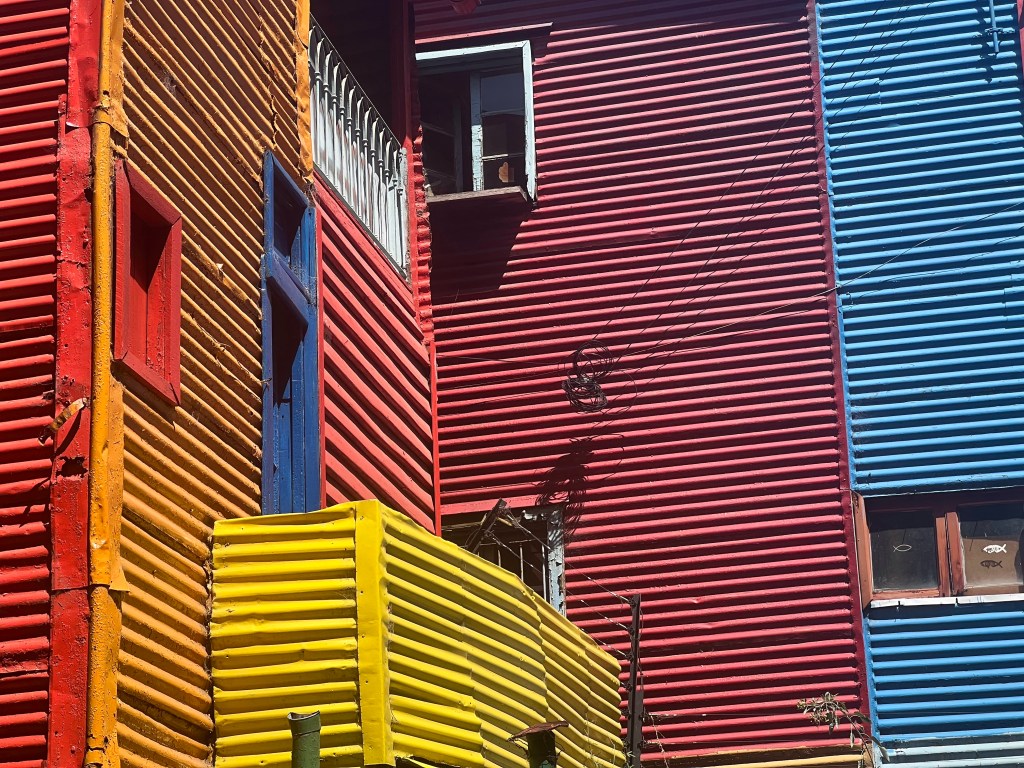
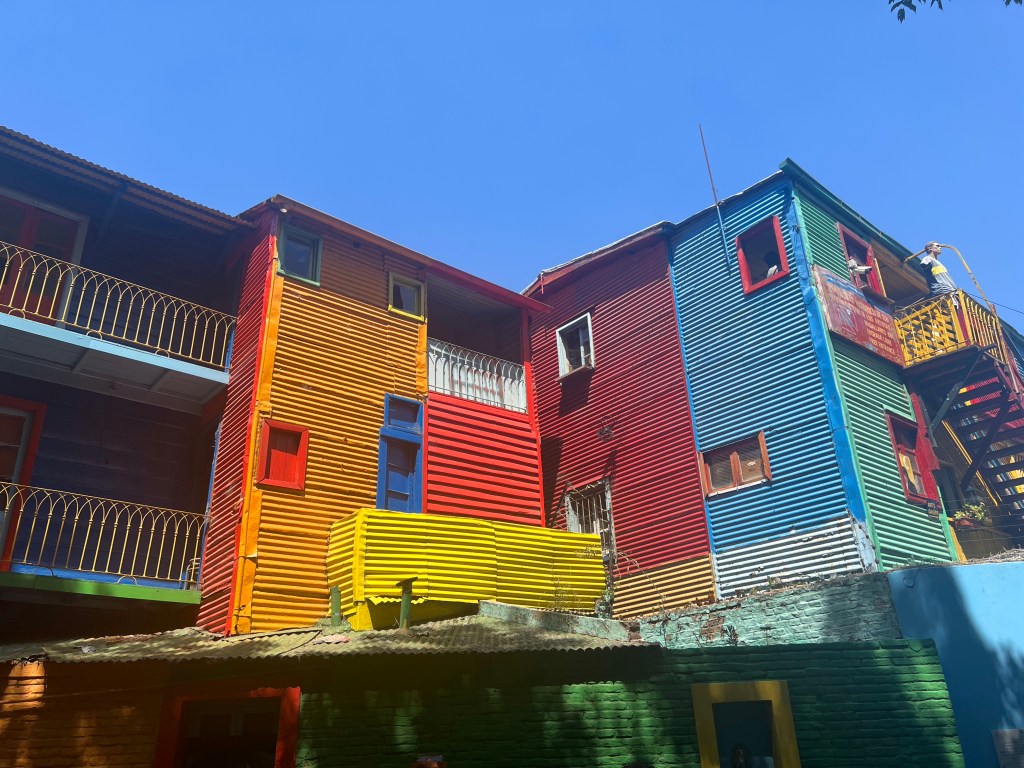
On the 3rd, we did an all-day city bike tour of about 20 miles and were able to get a good feel of the city.
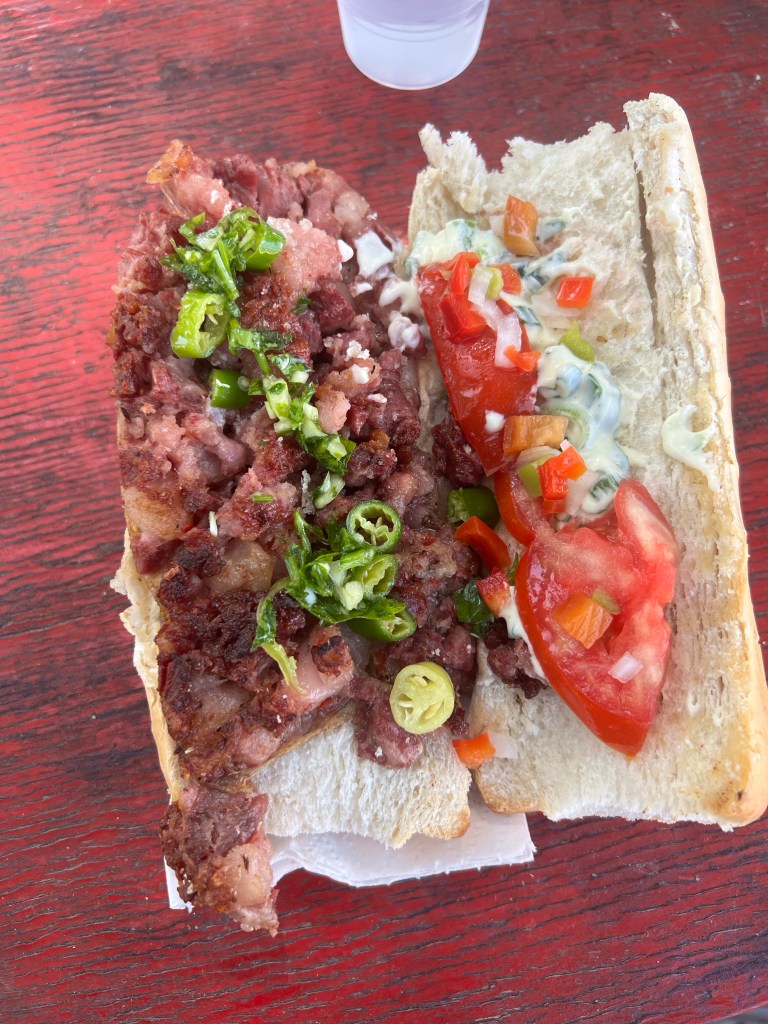

In the evening we attended a combination dinner and cultural/Tango show. it was a bit touristy but the dancing and music were interesting.

The weather in BA has been hot and humid. Lower 90s. Think Florida in July. We will be flying several hours south to Patagonia so it will be much cooler there.
Inflation and exchange rates
The Economy in Argentina is a mess. The inflation rate is about 90% a year so no one holds Argentinian dollars. Our bike tour guide said they would all be happy with 20-30% inflation. They all want American dollars. Because the US dollar exchange rates fluctuates related to inflation the cost of things in US dollars stays very stable.
There are at least 5 different exchange rates to US dollars including the “official” government exchange rate, the “blue rate” which gives you about twice the Pesos for each American dollar, the credit card exchange rate witch is what you MAY get if you charge something – but only on visa or Mastercard, the exchange rate for Argentinians who use their credit card for purchases outside the country and several others. if you use an ATM to get cash, as is the best way in most countries, you get the official rate so it’s a bad idea. People suggest bring American dollars and exchanging one you arrive. Currently, the blue rate, which you can get at technically illegal exchange houses is about 370 peso per dollar (compared with 200 for the official rate. They want you to exchange $50 and $100 us bills because they are harder to counterfeit and you get a better exchange rate than with smaller bills. So $100 will get you 37,000 pesos. Oh yeah – the largest demonization bill is 1000 peso (about $3). They are set to “fix” that problem with a new bill – 2,000 peso. So the largest bill printed will be worth about $6 but in a year will only be worth $3. When you exchange $100 for your 37 1000 peso bills you can’t even fit it in a wallet.
No one trusts banks and there are no mortgages. All property is purchased with US dollars and all cash.
Using the blue rate (or even the official rate), many things are quite affordable. Meals, Taxis are very cheap (a 20 minute across town taxi ride was 950 peso (with no tipping so about $2.80). It’s strange – Hotels tend to be what you would expect other places – $ 100 and up. Businesses tend to be very cash based and apparently very little income gets reported as taxes are high.
Unemployment is high and about 50% of the population is poor. government handouts are very high and several people we talked to about politics all believe the government is very corrupt. They stay in power by giving huge handouts and catering to organized crime, the very strong unions and the soccer clubs.
One tradition is on the 29th of every month people eat gnocchi. and the tradition is that money is placed under the dinner plates of the children to reward them if they finish their plates. People with jobs call the people on government assistance gnocchi’s since they are given money every month as well.
More later from the fishing ranch

 Tampaskis Travel